
Medical Devices & Precision Engineering · ERP guide
ERP software for medical device manufacturers: what the system has to record
A device or precision parts plant is audited on its batch records as much as its parts. This is what an ERP has to manage in that kind of plant, from material lot to released batch, and where software stops and the quality system takes over.
By Nexfloe · · 10 min read
- Article type:
- ERP guide
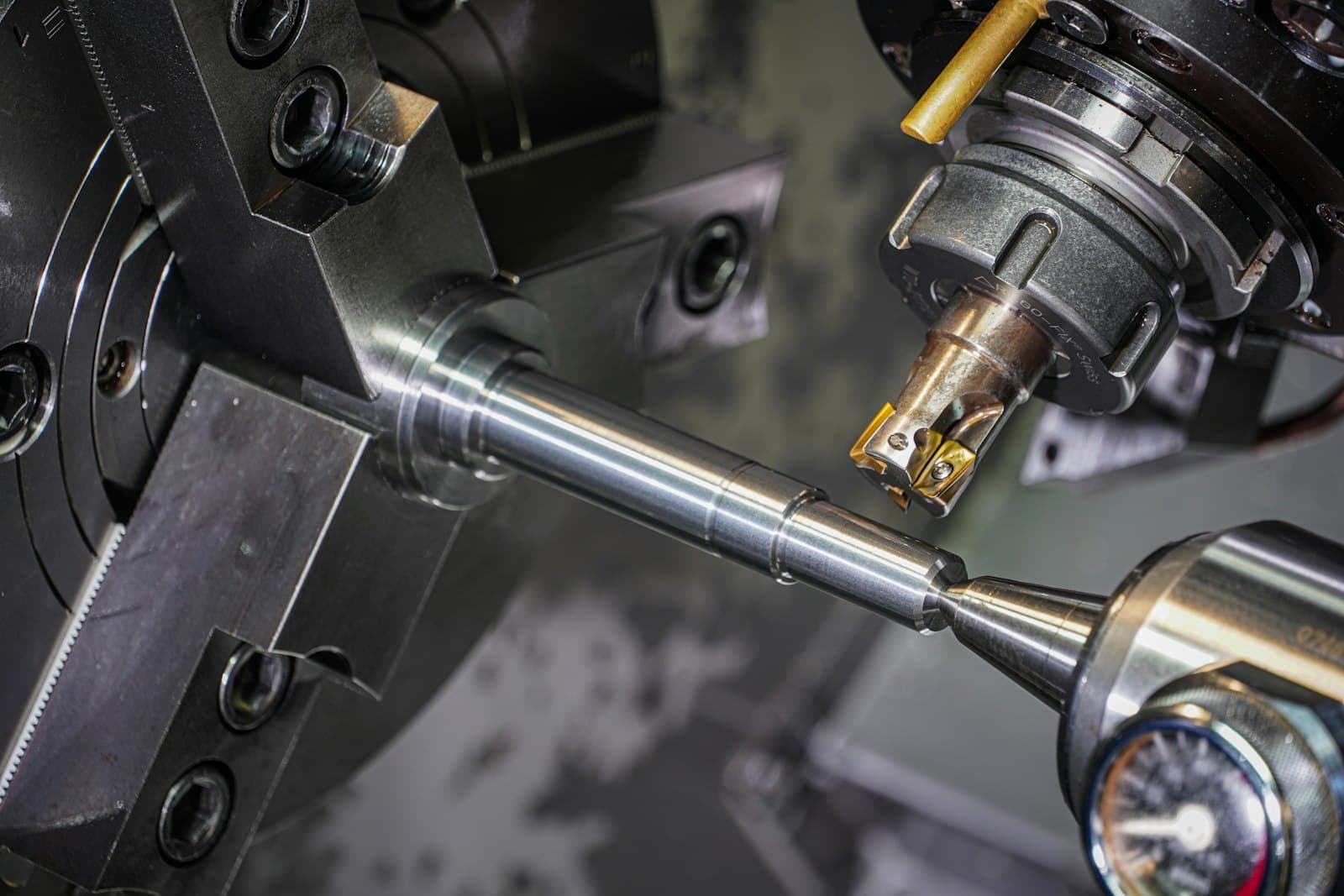
A medical device or precision parts plant is audited on its records as closely as on its parts. An auditor, or a device maker's supplier quality engineer, will pick one finished batch and ask for everything behind it: the material certificate, the lots issued, who ran each operation, what each check measured and with which instrument, and what happened to the parts that failed. An ERP for this kind of plant is judged on whether that batch record exists when the work finishes, not a week later when someone has collected the paper.
This guide covers what the system has to manage, how work moves through a typical plant, and where software stops and the manufacturer's own quality system takes over. It is written for plant heads, planners and quality managers at companies making implants, surgical instruments, single-use devices, device sub-assemblies and close-tolerance parts for device makers.
Quick answer
ERP software for medical device manufacturers links each batch to its material lots, operations, inspections and release. It holds BOMs and routings by revision, receives material by supplier lot or heat number, records counts and measured values at the operation with the operator, time and instrument, holds failed batches until dispositioned, follows outsourced passivation or sterilisation, and assembles the batch record from those entries before release.
Why medical device manufacturers need a manufacturing ERP
Most ERP systems are built around the sales order, the purchase order, the stock ledger and the invoice. That runs the office. It says nothing about what a device plant is inspected on: whether every unit in a batch can be linked to its material lots, whether every dimension was measured within tolerance on a calibrated instrument, and whether parts that failed were controlled and decided on by someone with the authority to do it.
In a regulated plant the record is part of the product. A batch with a gap in its record cannot be released, however good the parts are. When production sits on paper travellers, inspection on separate sheets and material in a stores register, QA builds the batch record at the end, finds the missing entries, and chases people who have already moved on to the next job. That is why device makers usually need ERP and MES (manufacturing execution) on one record, so the batch record is made as the batch runs.
Common challenges in medical device manufacturing
- Batch records put together at the end. Travellers, inspection sheets and issue slips are collected after the batch, and gaps are found at QA review, days after the work was done.
- Instruments that are not on the result. The calibration register lists which gauges are in date, but the inspection sheet does not say which gauge was used, so an instrument found out of calibration cannot be traced to the batches it measured.
- Tight tolerances, late detection. A worn tool can move a thread diameter out of tolerance over a few hours. If the check happens only at final inspection, the whole batch is at risk.
- Nonconforming parts without a clear decision. Parts go into a red bin, some are reworked, and nothing records who decided, on what grounds, or whether they were inspected again.
- Special processes done outside. Passivation, anodising, coating and sterilisation are often done by vendors. Parts leave on a challan and the return count is matched to the batch later, by hand.
- A complaint that takes days to trace. Linking a returned unit back to its material lots means pulling paper from stores, production and QC.
What should a medical device ERP system include?
The list below follows the records a device maker's auditor or customer actually asks for. Each one should sit on the same batch, not in separate files that someone has to match up.
BOM and routing under revision control
A device BOM holds more than the material: components, packaging pouches, labels and instructions for use are all items with their own lots. The routing lists the operations and the checks required at each. The revision used for a batch has to be fixed when the batch is released to the floor, so a drawing change approved next week does not alter what the record says this batch was made to. The change itself goes through the plant's own change control; the system's job is to show which revision each batch used.
Production planning by batch
Customer orders become work orders by batch, placed on work centres against their capacity. In a device plant, batch size is often set by something other than demand: a sterilisation load, a cleanroom shift, or a validated process run. The plan has to respect those limits and show material readiness before a batch is started. Production planning in FleekERP places orders on work centres this way.
Material traceability from lot to unit
Titanium and stainless bar arrives with a mill certificate and a heat number, polymer with a resin lot, bought-in components and packaging with the supplier's lot. Each is received against that lot, inspected, and issued to the batch by lot. The trace has to run both ways: from a finished unit back to every material lot in it, and from a suspect material lot forward to every batch and shipment it reached. Inventory and lot traceability in FleekERP keeps heat numbers and supplier lots on the batch in this way. Where devices carry individual serial numbers, check with any vendor how a serial number is linked to its batch and lots, and how labels are produced.
Inventory: raw material, WIP and finished goods
Stock in a device plant has a status as well as a quantity. Material received but not yet inspected must not be issued. Work in progress sits at an operation, in a cleanroom, or at a vendor. Finished goods are either waiting for batch release or released, and only released stock can be picked. A stock figure that does not show status is not much use to QA or to dispatch.
Shop-floor execution
Operators record good counts and scrap with a reason against the operation they are running, and every entry carries their name and the time. That attribution is what turns a floor entry into a line on the batch record. In FleekERP these entries are made on shop floor apps at the station, on Android phones.
Inspection with measured values and the instrument
First article inspection at setup, in-process checks at the frequency the inspection plan sets, and final inspection on the released batch. Each characteristic carries a nominal and a tolerance, and each result is recorded with the batch, the inspector, the time and the instrument that took it. A value outside tolerance fails the check and holds the batch. This is how quality control in FleekERP holds a dimensional or visual check: on the operation, against the batch.
Nonconforming product, rework and disposition
A held batch moves only when someone records a decision: rework, use as is, or reject, with their name and the reason. In most device plants a use as is decision needs a documented justification and approval under the plant's own procedure. The system should record who decided and why; it should not make the decision. Rework is an operation on the same order, followed by its own inspection.
Outsourced processes
Passivation, anodising, coating, cleaning and sterilisation are often done by specialist vendors. Each should sit on the routing in sequence, with the challan out, the return in against it, any short return flagged on the batch, and the vendor's certificate referenced on the batch record.
Batch record, release and dispatch
The batch record (often called the device history record) should be assembled from the entries already made: material lots, counts by operation, inspection results, dispositions and vendor returns. QA reviews it and releases the batch. Dispatch picks released batches only, and the delivery note carries the batch number forward to the customer.
Cost per batch
Material by lot, scrap, rework, machine time and vendor charges, including sterilisation, added up on the order. Expensive bar stock and low batch quantities mean a few scrapped parts change the margin on a batch, so the cost has to come from what was recorded, not from the quotation sheet.
How work flows through a device plant
A machining plant making implants, a moulding and assembly plant making disposables and a plant assembling electromedical equipment differ in their operations, but the sequence of records is close. The step-by-step guide to the medical device manufacturing process follows one product through each stage.
- 1Customer orderPart, revision, quantity and delivery date on the sales order.
- 2BOM and routingThe released revision and the checks required at each operation are fixed on the batch.
- 3Material planningRequirements checked against accepted stock by lot and open purchase orders.
- 4Receipt and incoming inspectionSupplier lots and heat numbers received, inspected and accepted or held.
- 5Batch release to the floorWork order planned on work centres, material issued by lot.
- 6ProductionMachining, moulding or assembly, with counts and scrap logged against each operation.
- 7In-process inspectionMeasured values against tolerance, with the inspector and the instrument.
- 8Outsourced processesPassivation, coating or sterilisation sent on a challan and returned against it.
- 9Batch record and releaseFinal inspection, QA review of the assembled record, release or hold.
- 10DispatchOnly QA-released batches are picked and shipped, and the invoice passes to the accounting package.
What is the difference between ERP and MES in a medical device plant?
In a device plant, the ERP side holds the sales order, purchasing, stock by lot, dispatch and batch cost. MES records what happens at the operation as it happens: which batch ran, how many parts were good, what each check measured, who did it and when. In a device plant most of what an auditor reads comes from the MES side, but it has to be tied to business documents: the purchase receipt that brought the material in and the delivery note that took the batch out.
Some plants add an MES or an electronic batch record tool to an existing ERP. Others choose one system that does both, so the batch record does not depend on two databases agreeing. Either way, the test is whether a measured value entered at the operation reaches the batch record without anyone copying it.
How FleekERP supports medical device manufacturers
FleekERP is a manufacturing ERP and MES built around work orders, operations, lots and inspections. For medical device and precision parts makers, material is received and issued by lot and linked to the finished units, operators record counts by operation with their name and the time on every entry, and QC records results against nominal and tolerance with the instrument used. A failed check holds the batch until a disposition is recorded. Outsourced processes run as vendor operations on the routing, followed through the challan. The batch record is assembled from what the floor entered and released before dispatch.
On compliance, the position is plain. FleekERP keeps an audit trail with the user and the time on every entry and produces the batch record from it. It is not validated for ISO 13485 or 21 CFR Part 11, and it does not certify a plant. Validating it for your intended use, and the certification itself, belong to your quality system. Accounting stays in Tally or Zoho, which FleekERP syncs with.
Other limits to know before you shortlist it: the apps need a data or Wi-Fi connection, there is no barcode or QR scanning today, machine data from equipment is on the roadmap rather than available, and the interface is in English. If your devices are serialised, ask us to show how serial numbers would be handled on your product. FleekERP at a glance lists what it does not do.
Implementation considerations
- Start with the product family whose batch records cause the most review findings, not the whole catalogue.
- Take inspection characteristics from the current drawings and inspection plans rather than writing new ones.
- Number every measuring instrument and settle its calibration status before go-live, so results can carry it from the first day.
- Load opening stock by lot and by status, so quarantined material is not issued by mistake.
- Plan your own software validation alongside the setup, not after it.
- Train operators and QC at their stations, on real batches, one line at a time.
The guide to implementing ERP in a medical device plant covers the stages, the data to prepare and how validation fits in.
Business benefits
What a device or precision parts plant gains follows from records made at the operation and kept on one batch:
- Batch records ready for review when the batch finishes, rather than compiled from paper afterwards.
- Every result tied to an instrument, so a calibration failure can be traced to the batches it touched.
- Out-of-tolerance parts caught at the operation, with the batch held until someone decides.
- Complaints traced from the unit to its material lots in one search.
- Vendor returns from passivation or sterilisation counted against the batch.
The size of each gain depends on the starting point. A plant already running an electronic batch record will see less difference than one running on travellers and registers.
Frequently asked questions
What records should a medical device ERP produce for one batch?
The material lots issued, with supplier lot or heat number; counts and scrap by operation with the operator and time; inspection results against nominal and tolerance with the inspector and instrument; holds and dispositions with who decided; vendor returns for outsourced processes; and the release. Together these form the batch record.
Can ERP software make a device manufacturer ISO 13485 compliant?
No. Software can keep the records a quality system relies on, with the user and time on each entry. Compliance and certification belong to the manufacturer's quality system, and the manufacturer validates any software it uses for its intended use. FleekERP is not validated for ISO 13485 or 21 CFR Part 11.
Why should the instrument be recorded on each inspection result?
Because calibration problems are found after the fact. If a micrometer or thread gauge fails calibration, the plant needs to know which batches it measured since it was last in date. That is only possible if each result names the instrument that took it.
Do precision parts suppliers to device makers need the same records?
Usually most of them. A device maker will often require material certificates, lot traceability, inspection results and controlled dispositions from its precision parts suppliers, and will audit them. The supplier may not hold device approvals itself, but its records feed the device maker's.