
Food Processing · ERP guide
ERP software for food processing manufacturers: what the system has to manage
A food plant makes in batches from ingredients that expire, and has to answer a recall from its records. This is what an ERP has to manage in that kind of plant, from the ingredient lot to the shipment.
By Nexfloe · · 9 min read
- Industry:
- Food Processing
- Article type:
- ERP guide
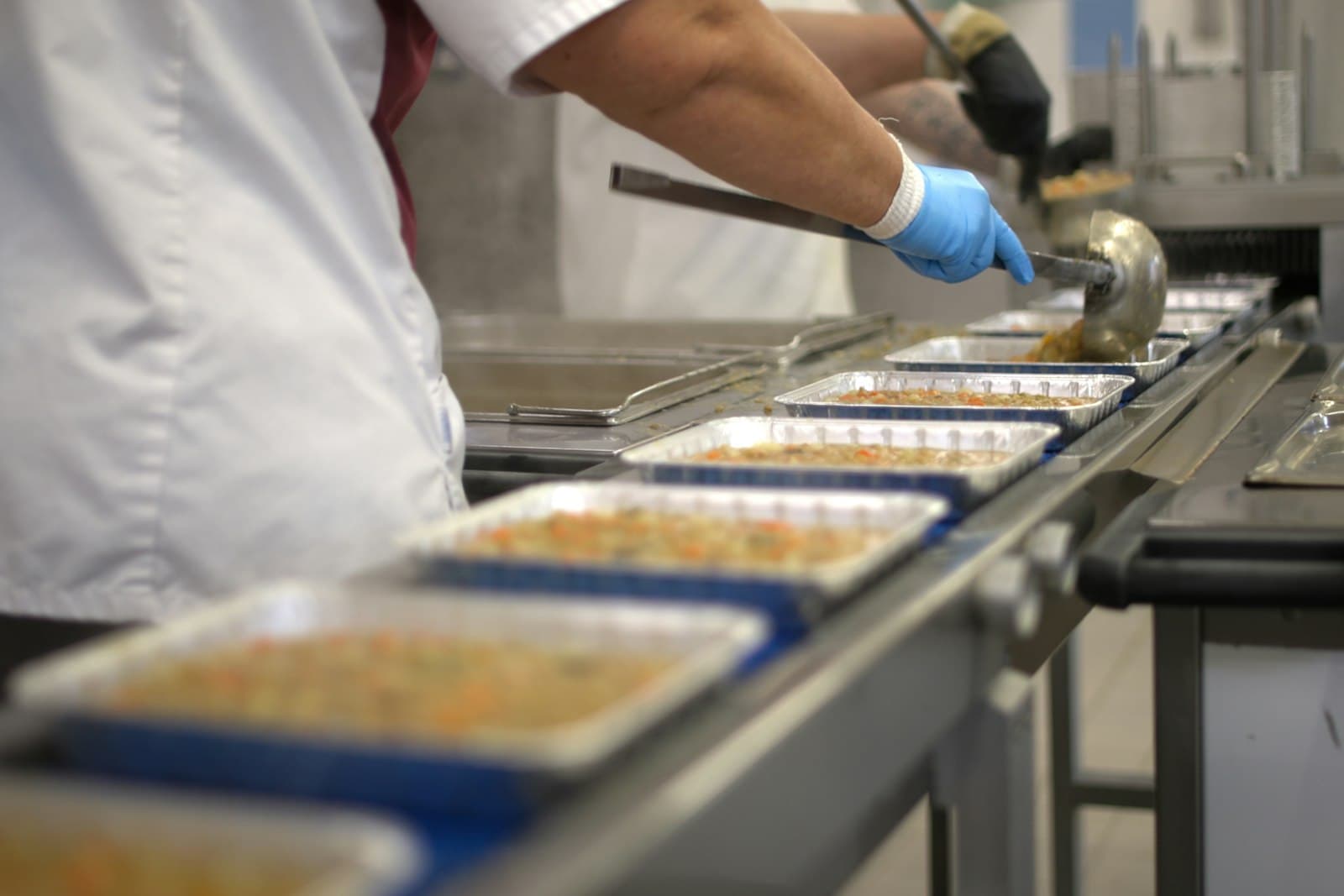
A food plant works against two clocks. One is the customer's order. The other is the shelf life of everything in the building: the paste in the drums, the spices in the store, the filled bottles waiting for release. On top of that, the plant has to be able to say, at short notice, which batches used a particular ingredient lot and where every pack from those batches went. An ERP for a food processor is judged on whether it keeps those records as the work happens, or leaves them to be written up later.
This guide covers what that system has to manage, how a batch moves through a typical plant, and what to look for before choosing one. It is written for plant heads, production managers and QA managers at processors making sauces, spices, snacks, bakery items, beverages, ready-to-eat foods and similar batch-made products.
Quick answer
ERP software for a food processing plant manages batch production from ingredients that expire. It receives ingredients and packaging by lot with expiry, holds recipes as a bill of materials scaled to the batch size, consumes ingredient lots against each batch, records process parameters and QC results on the batch record, holds a batch until it is released, puts shelf life on the finished lot and dispatches earliest expiry first.
Why food processors need a manufacturing ERP
Most ERP systems are built around the accounts: purchase, stock, sale, invoice. That is enough to bill a distributor. It is not enough to run a batch, because the records that matter in a food plant are made on the floor: which ingredient lots were weighed into batch 214, what temperature the cooker held and for how long, what the pH read before filling, and who released the batch.
These are the records an FSSAI inspector, a HACCP review or a retail customer's audit asks to see. When they are kept on paper batch sheets and typed into a register at the end of the week, two problems follow. The records are written after the event, which is exactly what an auditor looks for. And a recall turns into a search through invoices and dispatch books. That is why food processors usually need ERP and MES (manufacturing execution) on one record, rather than an accounting-led ERP with the batch record left on paper.
Common challenges in food processing
- Expiry kept on the label, not on the stock. Ingredient best-before dates sit on the bag or drum, and nobody sees which lots are close until they are already out of date.
- Recipes that change by batch size. The master recipe is for one size, and the batch sheet for today's size is worked out by hand, with room for a mistake.
- Batch records filled in after the batch. Temperatures, times and checks are written up at the end of the shift from memory or rough notes.
- Batches shipped before release. Without a clear hold, a batch waiting for a micro result can be packed and picked like any other.
- Losses nobody can place. The plant knows input and output by the month, but not which batch lost too much at cooking, filling or packing.
- Recall answered from invoices. Finding every shipment that contained one ingredient lot means opening batch sheets and dispatch records one by one.
What should a food processing ERP system include?
The list below follows the records a food plant is actually asked for. Each should sit on the batch, not in a separate file.
Recipes and formulas as the bill of materials
In a food plant the recipe is the BOM. It lists ingredients and packaging with quantities for a stated batch size, and it should scale to the size actually being made when the batch is released. The recipe version used for a batch has to be fixed on that batch, so a reformulation next month does not change the record of what was made last week. Packaging belongs on the same BOM as the ingredients: the bottle, cap, label and carton are lots too, and a misprinted label lot is a recall like any other.
Batch production planning
Orders become batches by product, size and date, placed on the kettles, mixers, ovens and filling lines against their capacity. A planner should see before releasing a batch whether the ingredients are in stock and released by QA, and which other batches are already counting on them. Production planning in FleekERP places work orders on work centres against capacity and material readiness in this way.
Ingredient and packaging lots with expiry
Every receipt should carry the supplier's lot and its expiry, go through incoming inspection, and stay on hold until it is accepted. Ingredients are then issued to the batch by lot, and the oldest-expiring lot should normally be used first. This is where the genealogy starts. See how inventory and lot traceability records lots from receipt to issue.
Inventory: ingredients, WIP and finished goods
Stock needs to be known by lot, expiry and status at three points: ingredients and packaging in stores, work in progress such as a cooked base waiting to be filled, and finished goods waiting for release or dispatch. Consumption should be recorded against the batch as it runs, so the variance between what the recipe called for and what was used shows on that batch, not as a stock difference at month end.
Shop-floor execution and the batch record
This is the MES side of the system. Operators record the quantities made, the losses with a reason and the stoppages with a cause, against the operation they are running. Process parameters such as cooking temperature, hold time, Brix or moisture are recorded at the operation with the operator and the time. A parameter outside its limit should hold the batch. Together these entries are the batch record, built while the batch runs. In FleekERP they are made on shop floor apps at the station.
Quality: tests, holds and release
Incoming checks on ingredient lots, in-process tests at the operation, and final tests on the finished batch, each with the measured value, the person and the time. A batch stays on hold until QA releases it, and a held batch cannot be picked for dispatch. Quality control in FleekERP records checks at the operation and holds a failed batch until it is dispositioned.
Co-packing and outside processing
Some processors send material out for grinding, sterilisation or contract packing. Where that happens, the outside step should sit in the routing, with material leaving on a challan by lot and returning against it, so the lot trail does not break at the vendor's gate.
Shelf life, FEFO dispatch and recall
A finished lot should carry its manufacturing date and expiry. Dispatch should pick the earliest expiry first (FEFO), so short-dated stock does not sit at the back. And one search on an ingredient lot should return every batch it went into, every finished lot from those batches and every delivery note they shipped on. The reverse search, from a complaint pack back to the ingredient lots and suppliers, should be as quick.
Yield and cost per batch
Ingredients and packaging at the cost of the lots used, losses at each stage, labour and any outside processing, added up on the batch and the order. Food margins are thin, and a few points of loss at cooking or filling decide whether a product makes money.
How a batch flows through a food plant
A spice unit, a bakery and a sauce plant have different operations, but most follow this sequence. The step-by-step guide to the food processing batch process follows one product through each stage.
- 1Customer orderDistributor and retail orders become sales orders by product, pack size and date.
- 2Recipe and batch sizeThe recipe version is fixed on the batch and scaled to the size being made.
- 3Material planningIngredient and packaging needs are checked against released stock by lot and expiry.
- 4Receipt and incoming checksSupplier lots are received with expiry, tested and released or held.
- 5Batch orderThe batch is placed on the line and ingredients are issued by lot.
- 6ProcessingWeighing, mixing, cooking or baking, with parameters recorded at each operation.
- 7Filling and packingFill weights and seals checked, packaging lots recorded, packs coded.
- 8QC releaseFinal tests on the batch, then release, rework or reject.
- 9DispatchReleased lots picked earliest expiry first. Invoicing follows in the accounts package.
What is the difference between ERP and MES in a food plant?
ERP plans and records the business side: orders, purchases, stock, dispatch and cost. MES records the batch as it runs: which lots were weighed in, what each parameter read, how much was filled, what was lost, and who checked it. In a food plant the two are hard to keep apart, because a recall starts from a business document (a delivery note or a supplier's notice) and has to end in floor records (the batch and its parameters).
Some plants run an ERP and keep paper batch sheets beside it. Others choose one system that does both, so the batch record and the dispatch record do not have to be matched by hand. The test is whether a temperature recorded at the cooker is linked to the batch, the finished lots and the shipments without anyone typing it in again.
How FleekERP supports food processors
FleekERP is a manufacturing ERP and MES built around work orders, operations, lots and inspections. For food processing plants, ingredients are received by lot with their expiry and issued to the batch, and consumption is recorded against the formula. A formula is a bill of materials with quantities per batch size, scaled when the batch is released. Parameters are characteristics on the operation with a nominal and a tolerance, recorded on Android phones with the operator and the time, and a value outside tolerance holds the batch until someone releases it.
Finished lots carry a shelf life, and dispatch picks the earliest expiry first. One search on an ingredient lot returns the batches, finished lots and delivery notes it reached, and a finished lot traces back to its ingredient lots and suppliers. Accounting stays in Tally or Zoho, which FleekERP syncs with. FleekERP keeps the kind of records FSSAI inspections, HACCP reviews and customer audits ask for, but it is not certified against any food safety standard, and certification belongs to the plant.
There are limits to know before you shortlist it: the apps need a data or Wi-Fi connection, there is no barcode or QR scanning today, weights and temperatures are entered rather than read from scales or controllers, and machine data is on the roadmap. The interface is in English, with Tamil and Hindi in development. FleekERP at a glance lists these in full.
Implementation considerations
- Start with the products that carry the most recall or audit risk, not the whole range.
- Agree one current version of each recipe before go-live, with batch sizes and packaging included.
- Load opening stock by lot and expiry, so the first traces and the first FEFO picks are right.
- Take parameters and limits from the existing HACCP plan and batch sheets rather than writing new ones.
- Train operators and QA at the line, on real batches, one line at a time.
The guide to implementing ERP in a food processing plant goes through the stages and the data to prepare.
Business benefits
What a food processor gains follows from having the batch record made at the line and kept with the stock:
- A recall or a mock recall answered from one search, instead of from batch sheets and invoices.
- Batch records written while the batch runs, with a name and a time on each entry.
- Batches that cannot be dispatched until QA has released them.
- Short-dated ingredients and finished goods seen before they expire, and used or shipped first.
- Losses and over-use of ingredients visible on the batch that caused them.
The size of the change depends on how the plant keeps its records today. A plant with disciplined paper records will see less change than one that writes up its batch sheets at the end of the week.
Frequently asked questions
Does a food processing plant need MES as well as ERP?
Usually, yes. ERP handles orders, purchases, stock, dispatch and cost. MES records the batch as it runs: ingredient lots weighed in, process parameters, quantities, losses and checks. A recall starts from a business document and ends in floor records, so the two need to share one record.
How is a recipe handled in a food processing ERP?
As the bill of materials. It lists ingredients and packaging with quantities for a stated batch size, is scaled to the size being made when the batch is released, and the version used is fixed on the batch so a later reformulation does not change the record.
What does FEFO mean for a food processor?
First expiry, first out. Finished lots carry an expiry date, and dispatch picks the lot that expires earliest, so short-dated stock is shipped before it runs out of life instead of sitting behind newer stock.
Is FleekERP certified for FSSAI or HACCP?
No. FleekERP keeps the kind of records those inspections and reviews ask for: ingredient lots with expiry, parameters recorded at the operation with a name and time, batch holds and releases, and a trace from ingredient lot to shipment. The licence and any certification belong to the plant.